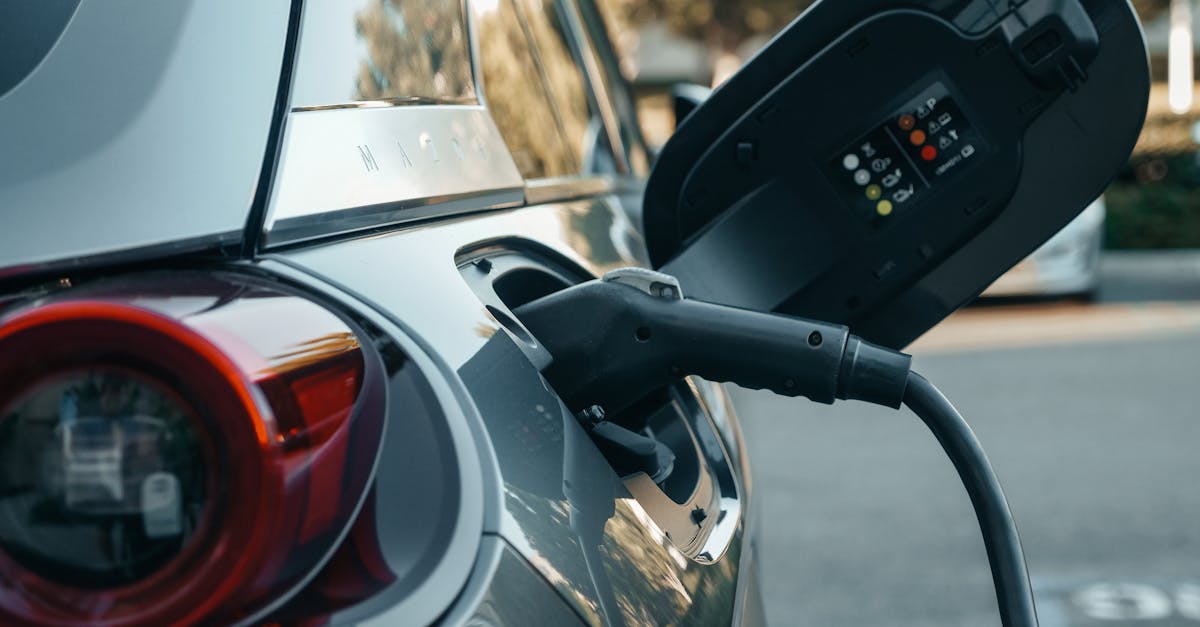
EV Charging Installation Prescot
EV Charging Installation in Prescot is becoming increasingly important as more people switch to electric vehicles. You need a reliable and efficient solution to keep your EV ready for the road. Whether you’re a new EV owner or looking to upgrade your current setup, understanding the installation process is key.
This article covers everything you need to know about EV charging installation in Prescot. We’ll discuss the types of chargers available, the benefits of professional installation, and how to choose the right installer. By the end, you’ll feel confident about making an well-informed choice that suits your needs and budget.
Benefits of Home EV Charging in Prescot
Home EV charging provides several advantages. Convenience tops the list. Charging your car overnight at home eliminates the need to visit public charging stations frequently, saving you time and effort.
Cost savings come next. Many tariffs offer lower electricity rates during off-peak hours, allowing you to charge your vehicle at a reduced cost. This approach makes home charging more economical than using public chargers.
Environmental impact is another critical benefit. Charging an electric vehicle overnight, when demand on the power grid is lower, helps reduce the strain on the energy infrastructure. It also contributes to a reduction in carbon emissions, supporting a cleaner environment.
Having a charging point at home also enhances your property value. With the rise in popularity of electric vehicles, properties with pre-installed charging points are becoming more attractive to potential buyers.
Customization is yet another advantage. You can choose a charging station that meets your specific needs and preferences, ensuring optimal compatibility with your vehicle. You control the installation process, selecting the location and installation method that best fits your property.
Reliability ensures that your electric vehicle is always ready when you are. With a home charging station, you eliminate uncertainties associated with public charging points, such as unavailability or malfunctioning equipment.
In Prescot, local incentives and grants may be available to reduce the initial installation cost, making home EV charging more accessible. Check for such schemes to take full advantage.
By investing in home EV charging, you position yourself to enjoy these multiple benefits, enhancing the overall electric vehicle ownership experience. This investment not only saves time and money but also supports sustainable living and property value appreciation.
Residential EV Charger Installation
Residential EV Charger Installation offers many benefits, particularly in Prescot, with its growing electric vehicle (EV) user base.
Installation Process
Professional installers handle the setup, ensuring safety and compliance with local regulations. They will assess your electrical system, choose a suitable charger, and install it efficiently. Certified electricians ensure the installation meets strict safety standards, providing peace of mind.
Customisation Options
Custom chargers fit your specific EV model’s requirements. Options include single-phase or three-phase chargers, adjusting to different power needs. Smart chargers allow you to schedule charging times, optimising for off-peak rates.
Cost Considerations
Initial costs include the price of the charger and installation fees. Incentives or grants can help reduce these expenses. Off-peak tariffs lower the ongoing cost of charging your vehicle at home. Long-term savings offset initial outlays by minimising public charging costs.
Environmental Impact
Home charging reduces reliance on public charging stations, decreasing your carbon footprint. Using renewable energy to power the charger further enhances sustainability. You contribute to environmental conservation by lowering emissions from traditional fuel sources.
Property Value Enhancement
Installing a home EV charger often increases property value. Homes with built-in charging solutions attract potential buyers, making them a valuable upgrade. Convenience and future-ready infrastructure appeal to modern buyers, enhancing your property’s marketability.
Support and Maintenance
Regular maintenance keeps your EV charger operating efficiently. Professional services offer routine checks and updates, ensuring longevity and reliability. Local service providers in Prescot can assist with any necessary repairs or upgrades, maintaining optimal performance.
Commercial EV Charger Installation
Commercial EV Charging Installation benefits businesses and enhances customer experience. Installing EV chargers attracts eco-conscious customers, employees and boosts your green credentials.
Compliance with Regulations
Compliance with regulations ensures safety and functionality. Government guidelines mandate specific standards for commercial EV chargers. Ensure your installation meets these requirements to avoid penalties and improve reliability.
Customisation for Business Needs
Customisation of EV chargers caters to diverse business requirements. Choose between rapid chargers for quick top-ups or standard chargers for longer durations based on your customer flow. Tailor solutions to fit your business model and maximise benefits.
Cost Considerations
Cost considerations include initial costs, operational expenses and potential incentives. Evaluate installation and maintenance expenses against long-term savings. Use government grants and incentives to offset upfront costs and improve return on investment.
Enhancing Customer Experience
Enhanced customer experience through EV charging facilities attracts and retains customers. Providing convenient charging stations in your premises differentiates your business and enhances customer satisfaction.
Sustainability and Corporate Image
Sustainability initiatives like EV charging solutions improve your corporate image. Showcasing your commitment to eco-friendly practices strengthens your brand, positioning your business as a leader in sustainability.
Ongoing Maintenance and Support
Ongoing maintenance ensures optimal performance of your EV chargers. Regular servicing by local technicians keeps your chargers functional and minimises downtime, enhancing customer satisfaction.
| Key Aspect | Description |
|---|---|
| Compliance with Regulations | Adheres to government standards for safety and reliability |
| Customisation for Business Needs | Tailors EV charger types and placements to fit business models |
| Cost Considerations | Evaluates initial, operational costs and available incentives |
| Enhancing Customer Experience | Attracts and retains by providing charging amenities |
| Sustainability and Corporate Image | Strengthens brand by promoting eco-friendly practices |
| Ongoing Maintenance and Support | Ensures optimal charger performance through regular maintenance and support |
Commercial EV Charger Installation in Prescot optimises operations and aligns with environmental goals, benefiting businesses and customers alike.
Types of EV Chargers Available
EV chargers come in three main types: Level 1 chargers, Level 2 chargers, and DC fast chargers.
- Level 1 Chargers
These chargers use a 120-volt AC plug and provide a power output of up to 2 kW. They are ideal for overnight charging and are often included with the purchase of an electric vehicle. For example, charging an EV with a Level 1 charger typically extends the range by 4–5 miles per hour. - Level 2 Chargers
These chargers use a 240-volt AC plug and deliver power outputs up to 22 kW. They are suitable for both residential and commercial settings. For instance, a Level 2 charger extends the range of an EV by 25–30 miles per hour. These chargers often appear in home garages, public parking spaces, and workplaces. - DC Fast Chargers
These chargers convert AC power to DC within the charging unit and can deliver up to 350 kW. They are designed for rapid charging, often used in public charging stations along highways. DC fast chargers can extend the range of an EV by 100–200 miles in just 30 minutes, making them important for long-distance travel.
Charging infrastructure involves specific suitability and strategic placements. Level 1 chargers are convenient for home use, while Level 2 chargers provide flexibility for both residential and commercial applications. DC fast chargers are key for businesses looking to attract customers needing quick charges and ensuring minimal downtime for EV drivers.
Additional Insights on EV Charging Installation
Why Choose OZEV Approved Installers?
Office for Zero Emission Vehicles (OZEV) certifies installers ensuring quality and safety. Installers following OZEV guidelines adhere to strict installation protocols to maintain safety standards. They connect your EV charger to a dedicated circuit, reducing fire risks. OZEV approved installers also offer grants for residential and commercial installations. These incentives lower installation costs, making the process more affordable.
Comparing Different EV Charger Models
EV charger models cater to varying needs based on their power outputs and charging speeds.
- Level 1 Chargers: Deliver 120V power. Ideal for overnight charging at home.
- Level 2 Chargers: Provide 240V power. Suitable for both residential and commercial spaces. Charging times range from 4-8 hours based on battery capacity.
- DC Fast Chargers: Offer 480V power. Best for rapid charging at public stations. Charges most EVs within 30 minutes to an hour.
Choose a model based on your preferred charging time and location of use.
Cost of EV Charging Installation
Cost features for EV charging installation include equipment price, labour cost, and additional electrical work.
- Level 1 Chargers: Equipment costs around £300 to £600. Minimal installation charges due to basic requirements.
- Level 2 Chargers: Equipment prices range from £500 to £1,500. Installation costs vary between £400 and £1,200 depending on site conditions.
- DC Fast Chargers: Equipment costs from £10,000 to £40,000. Installation is more complex, ranging from £15,000 to £50,000.
OZEV grants can offset installation costs, making it more economical for both homeowners and businesses.
Our Installation Process
EV Charging Installation begins with an initial consultation. Installers evaluate your location to ensure optimal placement. They assess electrical capacity, examining whether your existing electrical infrastructure can support the new charger.
After evaluation, the next step is site preparation. Installers may need to install dedicated circuits to prevent overloading. Cable runs are carefully planned to ensure aesthetics and minimise disruption.
The installation involves securely mounting the charger to a wall or post. Qualified electricians connect the unit to your electrical system. Safety checks are conducted to ensure compliance with regulations.
Following installation, the charger is tested. Installers verify it’s functioning correctly. Any configuration needed for smart chargers, such as Wi-Fi setup or mobile app integration, is completed.
The final step is a customer briefing. Installers explain how to use the charger, provide maintenance tips, and answer questions. This ensures you’re confident operating and maintaining your new EV charging station.
Conclusion
Installing an EV charger at your Prescot home is a smart move. It not only boosts your property’s value but also supports a greener environment. With various chargers available you can find one that fits your needs perfectly. Plus choosing OZEV approved installers ensures you’re getting top quality service and potential savings. So why wait? Make the switch to electric and enjoy the convenience of charging at home.
Frequently Asked Questions
What are the benefits of installing a residential EV charger in Prescot?
Installing a residential EV charger offers safety, compliance, customisation, and cost benefits. It enhances property value and reduces environmental impact.
What types of EV chargers are there?
There are three main types of EV chargers: Level 1 (slow charging), Level 2 (faster charging), and DC fast chargers (rapid charging). Each type varies in power output and ideal use cases.
Why should I choose an OZEV approved installer?
Choosing an OZEV approved installer ensures adherence to safety standards and access to cost-saving incentives, making the installation process more reliable and affordable.
What is involved in the EV charger installation process?
The installation process involves an initial consultation, site preparation, secure mounting, electrical connection, safety checks, testing, and a customer briefing to ensure proper usage and maintenance.
How does installing an EV charger impact property value?
Installing an EV charger can enhance property value by making it more attractive to potential buyers, especially those interested in sustainable living and modern conveniences.
Is there a specific place where the EV charger should be installed?
Strategic placement of the EV charger is crucial to cater to different needs. The location should be convenient for daily use and safe from environmental elements.